01
Proven architecture
Conventional
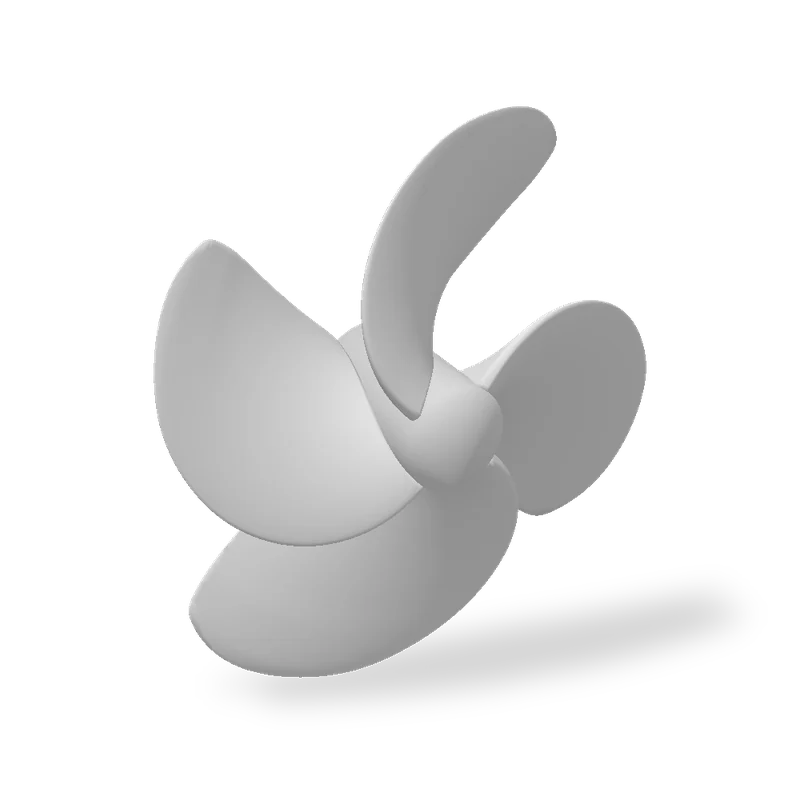
Develop a vessel-specific blade geometry around the wake field, shaft line, available diameter and real operating profile.

A propeller designed for the vessel, wake field and real operating profile.
Parametric geometry and CFD let us evaluate more design space, then deliver production-ready geometry around the right compromise.
The right propeller concept depends on the wake field, duty profile, integration envelope and the performance trade-offs that matter most.
Develop a vessel-specific blade geometry around the wake field, shaft line, available diameter and real operating profile.
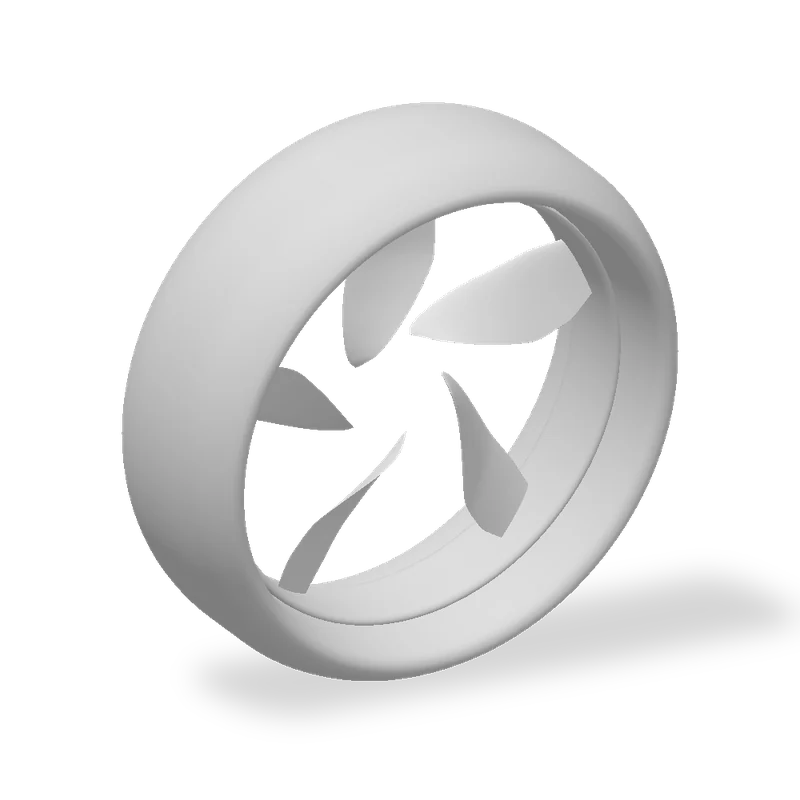
Explore compact electric propulsion with the motor integrated around the propulsor when arrangement, noise and maintenance priorities support it.
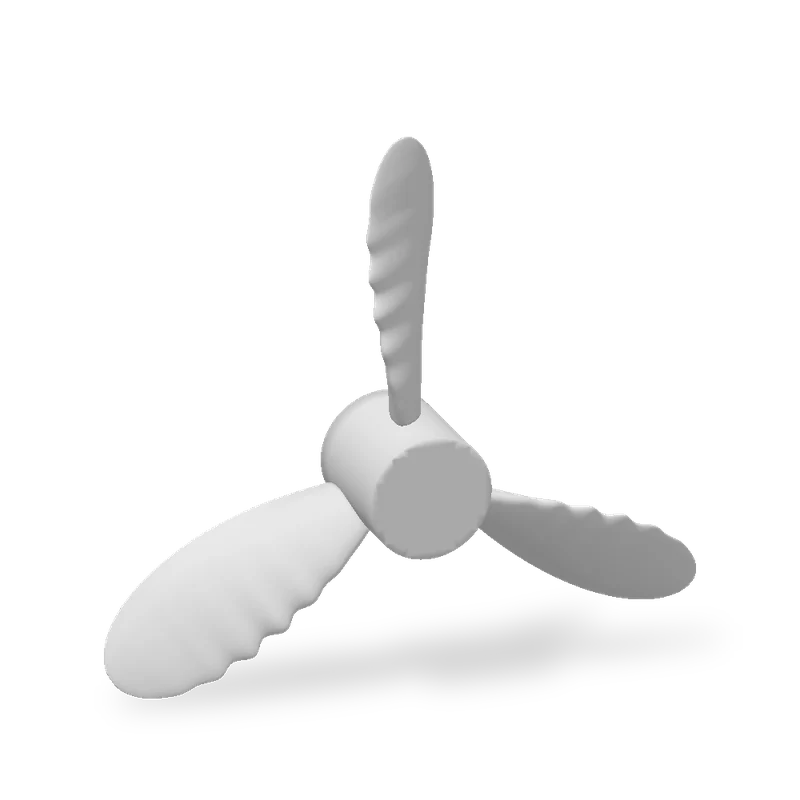
Develop an unconventional propulsor around mission profile, available space, loading, acoustic goals and manufacturing constraints.
Design points reflect how the vessel actually spends its time.
Systematically explore diameter, pitch, chord, skew and section distributions.
Provide geometry, performance documentation and integration inputs.
Create a trusted baseline from existing propeller and vessel data.
Balance efficiency, cavitation, strength and operational constraints.
Verify the selected design and prepare it for manufacture.
Share the wake field, operating profile and propulsion constraints. We will define the propulsor concept and engineering path that best fits the vessel.
Discuss propeller design→